

Feeling angry and frustrated at your partner since having a baby? This is quite common and part of relationship dissatisfaction after a baby joins the family. Feeling solely responsible for the anticipation of needs (does the baby have enough clothes?), the planning on how to meet those needs (when can I get to the store to buy more onesies?) and then executing on the task are all part of the invisible load of motherhood. The good news is that couples can tackle resentment and find new ways to divide the labor of the home in ways that work for both.
What Is the Invisible Load of Motherhood?
The “invisible load of motherhood” describes the often unseen work that is required to run a home and care for children. Imagine how the toilet paper roll is changed without anyone seeing it done, the pantry is stocked when no one notices, or a mother is busy doing the mental work of figuring out when to leave for a family event and be back in time for naps. This work has historically defaulted to mothers/women. It exists in relationships prior to having children, but the amount of work increases significantly once a baby arrives.
Why does the Invisible Load Spike in the Fourth Trimester?
How Invisible Load Becomes Resentment Toward Your Partner
Resentment is anger or frustration that is unspoken. Both parents may have expectations about dividing the work of caring for a baby, and these expectations come from societal expectations about gender roles, and what each person learned about how their own parents divided the workload when they were growing up. It’s very common for “score-keeping” to play out, which means mentally tallying what you are doing versus what your partner is doing. You might be doing this because there is an inequity in the division of work, and the reality of holding more of the work for certain care tasks for the baby (such as feeding if breastfeeding or baby calming more quickly with mom). Managing the work of nighttime feedings and wakings can be tricky for parents, and often a source of resentment for mothers if they are exclusively breastfeeding or feel they need to “protect” their partner’s sleep if they are working outside of the home.

Quick Wins You Can Try This Week
So, what can be done to address any inequities for new parents, which in turn, may reduce resentment showing up for either parent? It is important to remember that each family and couple has different considerations to find the system that works for them. Here’s a few strategies to help:
- Split the night into shifts if using a combination of feeding methods-one parent takes the first shift, the other parents takes the second shift. This can help each parent get a 4-hour stretch of sleep. If mom is exclusively breastfeeding, consider dad getting the baby “set up” for feeding, and then putting baby back to sleep once mom is done. This can cut down on the time both parents are awake, and mom feels supported in carrying the bulk of this work.
- Start to use language like “partnering” on tasks versus Dad “helping”, or deciding with each other about “who owns what” in regards to tasks. This helps both parents shift their mindset about partnership and both parents being responsible for all aspects of parenting (remember conceptualizing, planning and execution are involved with all tasks).
- Lastly, planning weekly “check-ins” can go a long way in reducing feelings of resentment and increasing emotional connection for new parents. Talk about how the system is working at home, express any frustration or feelings that need to be said, and create a new plan if needed.
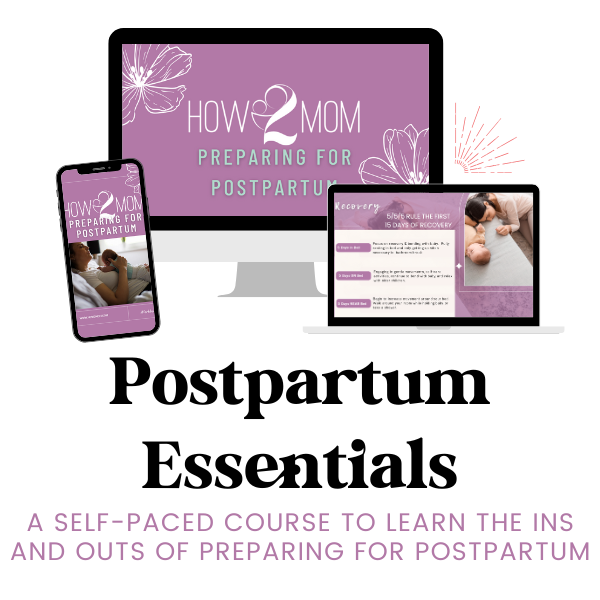
Postpartum prep made easy!
The fourth trimester can be tough, but you don’t have to do it alone. Our on-demand postpartum course gives you the tools to navigate recovery, newborn care, and the transition into parenthood with confidence.
✔ Expert insights from seasoned professionals
✔ Flexible access to learn at your own pace
✔ Comprehensive support for physical & emotional recovery
Feel prepared and supported—enroll today!
Boundaries That Protect Your Energy
It can also help to talk about the boundaries that protect your family’s energy and your individual energy. Limiting visitors, scripting how to respond to unsolicited advice, and how each of you get some time to yourselves are helpful topics to discuss.
If you’ve found yourself trying to make change in your relationship but it hasn’t seemed to help, it makes sense to consider talking to a couples’ therapist, or seeking individual therapy for yourself. Psychotherapy for Maternal Well-Being works with moms during their postpartum period, and can help identify feelings of resentment, why they exist, and how to communicate more effectively about your needs. Working on yourself can have a positive impact on your relationship, and also support your own adjustment to motherhood.
How Psychotherapy for Maternal Well-Being Can Help
Looking for more resources related to the mental load and motherhood? Check out my blog on my website https://www.pfmwellbeing.com/blog and follow me on Instagram @pfmwellbeing . I also offer a monthly newsletter-sing up on my website main page over at https://www.pfmwellbeing.com/
Any/all of the links in this blog may be affiliate links of which How 2 Mom, LLC receives a small commission, without any additional cost to you. Using affiliate links help us maintain our website, continue to provide for our community, and support our families, and we are forever grateful for your support!